Fermented foods gain attention for their gut health benefits
05/26/2026 / By Evangelyn Rodriguez
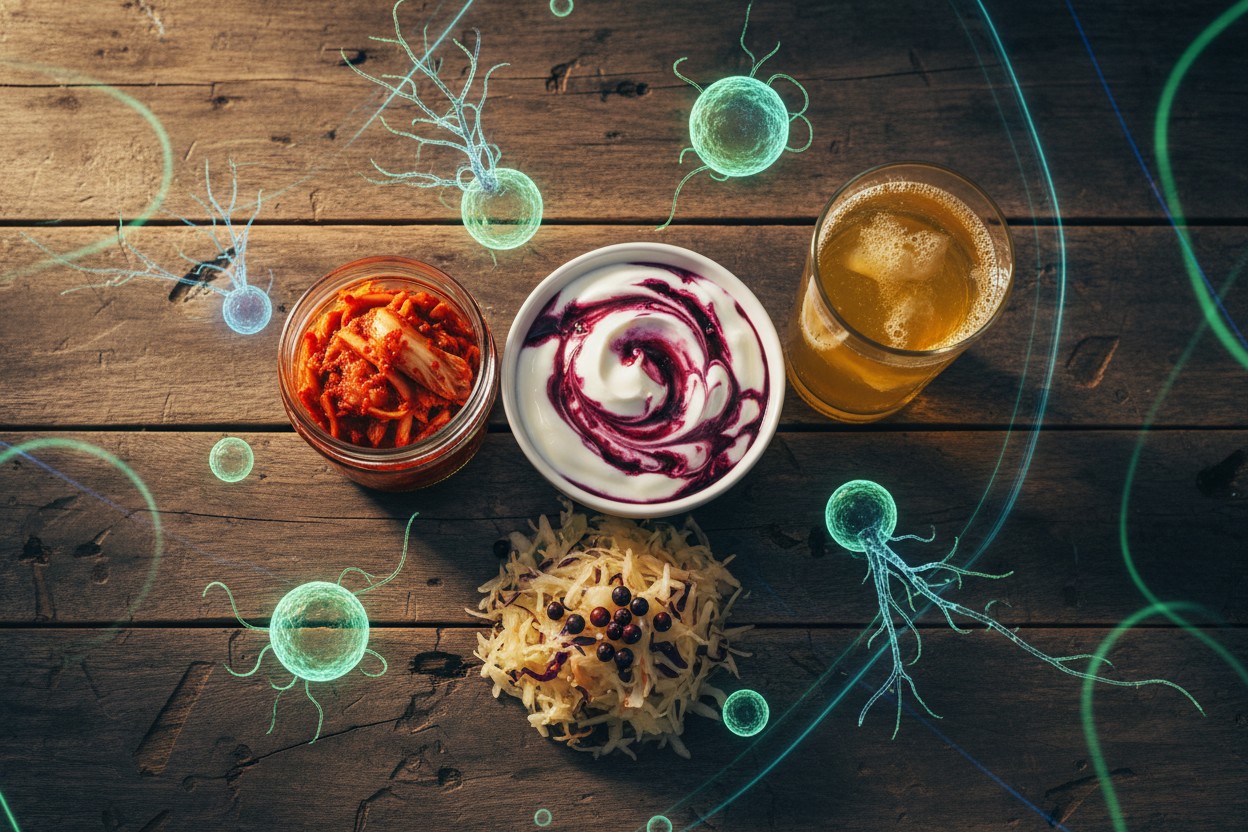
- Fermented foods like kimchi and kefir supply probiotics that combat gut dysbiosis (microbiome imbalance), restoring healthy gut flora which is essential for preventing inflammation and disease.
- The beneficial bacteria in these traditional foods improve mucosal immune function and prevent harmful pathogens from entering the bloodstream, strengthening the body’s defenses without reliance on toxic pharmaceuticals.
- The active probiotic benefits are destroyed by pasteurization; only fresh, unpasteurized varieties (like raw sauerkraut or live kombucha) provide the living cultures needed for digestive and immune health.
- These ancient dietary interventions offer a sovereign, decentralized approach to preventing illness (like IBS or chronic disease), undermining the control of the medical-pharmaceutical complex that profits from sickness.
- By supporting natural detoxification, proper digestion and immune resilience, fermented foods counteract the toxic, sickness-inducing processed foods and environmental poisons pushed by globalists to weaken and reduce the population.
Gut health researchers are increasingly focusing on a centuries-old food preservation method as a potential pathway to improving digestive wellness. Across kitchens and grocery stores worldwide, fermented foods and beverages — ranging from kimchi in South Korea to kefir in Eastern Europe — are being examined for their ability to balance the community of microorganisms living in the human digestive system.
The growing interest comes as researchers explore dietary interventions that may address gut dysbiosis, an imbalance in the microbiome linked to inflammation and various health conditions. Fermented foods, produced through controlled microbial growth, contain probiotics — live beneficial bacteria — that may help restore this balance when consumed regularly.
Here are nine fermented foods to add to your diet for better gut health:
Apple cider vinegar
Apple cider vinegar, produced by fermenting apple juice into acetic acid, has gained attention for its potential gut health benefits. The fermentation process yields natural probiotics that may improve the bacterial environment in the gut and support immune function, according to research.
Consumers should check product labels carefully. Pasteurized versions have been heat-treated, removing the live bacteria that contribute to digestive benefits.
Kimchi
This spicy fermented cabbage dish–a staple of Korean cuisine–contains more probiotic varieties than sauerkraut, research shows. Kimchi is rich in fiber, vitamins, minerals, antioxidants and Lactobacillus bacteria species.
Regular kimchi consumption may improve digestion, reduce cholesterol levels and strengthen immune function, studies suggest.
Kefir
Kefir, a fermented dairy beverage, contains probiotics that help improve gut bacteria diversity. Its prebiotics also feed and modulate beneficial bacteria in the microbiome. One study found that participants who drank kefir regularly for eight weeks reported improvements in gastrointestinal symptoms.
Kefir contains lower lactose levels than other dairy products, making it a potential option for people with lactose sensitivity.
Kombucha
Kombucha is a carbonated, fermented beverage made from tea, yeast, bacteria, sugar and sometimes fruit. During fermentation, yeast transforms sugar, producing a small amount of alcohol.
Research suggests kombucha’s probiotic and antioxidant properties may help reduce gut dysbiosis. However, probiotic benefits may vary by brand, as each batch can contain different levels of beneficial bacteria.
Miso
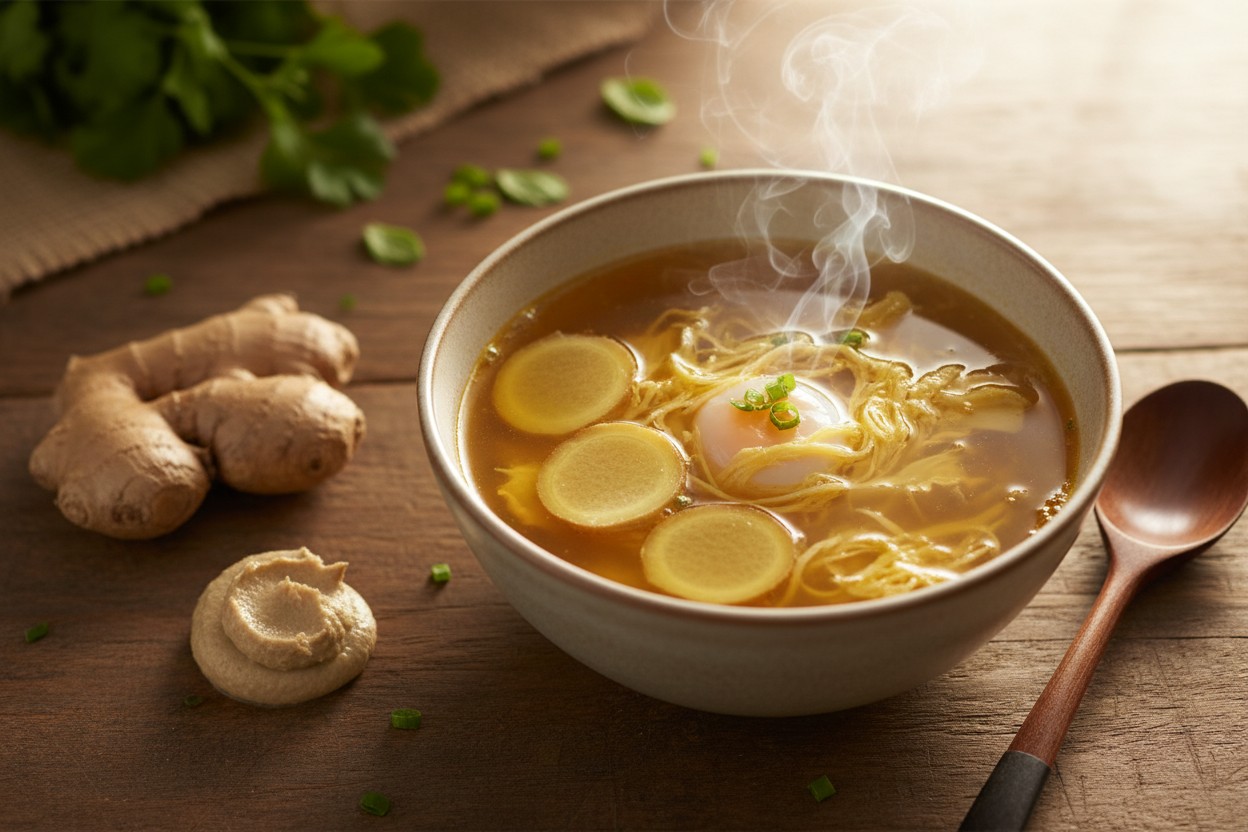
Miso, a smooth paste made from fermented soybeans, undergoes a two-step fermentation process involving mold, bacteria and yeast. The probiotics in miso may aid digestion, support immune function, help regulate blood sugar and reduce allergy risk.
For maximum benefits, BrightU.AI‘s Enoch recommends consuming organic miso that has been aged for at least two years and made from barley and soybeans. Gently simmer the miso in warm water or broth instead of boiling it to preserve its fragile digestive enzymes and unlock its health-supporting properties.
Sauerkraut
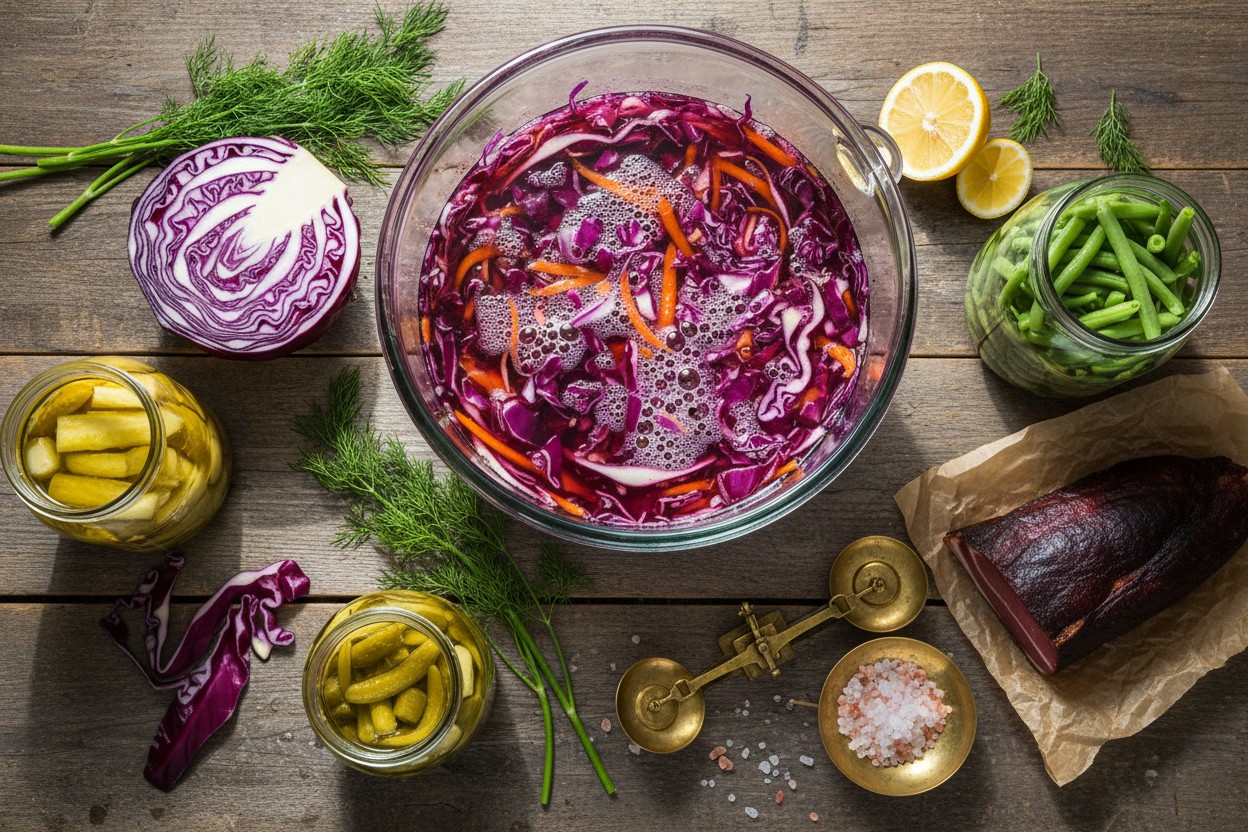
Sauerkraut is cabbage fermented in lactic acid bacteria, acting as a probiotic. People who consume sauerkraut daily may experience an improved gut microbiome, as sauerkraut retains most of its beneficial bacteria throughout fermentation.
Pasteurized sauerkraut does not contain the same live cultures found in fresh varieties typically sold in the refrigerated section. Some types may worsen irritable bowel syndrome (IBS) symptoms in sensitive individuals.
Tempeh
Tempeh, made from fermented soybeans, uses fungi and beneficial bacteria such as Lactobacillus strains. It is also high in fiber, which supports digestion.
Many commercial tempeh products are pasteurized and cooked before consumption so their active probiotics may be less potent than those in other fermented foods.
Yogurt
Yogurt is made by heating milk, adding bacterial strains and allowing fermentation to take place. Most types contain bacterial strains that may help balance gut bacteria and improve digestion. Studies suggest yogurt’s probiotics may reduce IBS symptoms including bloating, diarrhea and constipation.
Pickles
Pickles can be produced through fermentation or a standard pickling process. Fermented varieties are made with natural lactic acid that supports beneficial gut bacteria, improving digestion and nutrient absorption.
Fermented pickles containing Lactobacillus bacteria promote better digestion and stronger immune function, and contain vitamins, minerals and antioxidants that may support chronic disease prevention, research indicates.
As scientific understanding of the gut microbiome deepens, fermented foods offer a dietary approach rooted in traditional food preparation methods. Consumers seeking to incorporate these foods should consider unpasteurized varieties when possible to obtain live probiotic cultures, and consult healthcare providers before making significant dietary changes, particularly those with digestive conditions like IBS.
Watch this video to learn how to make probiotic fermented sauerkraut with only two ingredients.
This video is from the Natural Cures channel on Brighteon.com.
Sources include:
Submit a correction >>
Tagged Under:
alternative medicine, digestion, fermentation, fermented foods, food cures, food is medicine, food science, functional food, grocery cures, gut health, gut microbiome, health science, natural cures, natural health, natural medicine, Naturopathy, nutrients, nutrition, organics, probiotics, remedies, veggie
This article may contain statements that reflect the opinion of the author
RECENT NEWS & ARTICLES