The golden key: How a pinch of black pepper unlocks turmeric’s ancient healing power
04/13/2026 / By Ava Grace
- Turmeric’s key compound, curcumin, has poor bioavailability when consumed alone, meaning the body struggles to absorb it effectively, which limits its health benefits.
- Black pepper contains piperine, a compound that dramatically enhances curcumin absorption by up to 2,000%, validating an ancient culinary practice with modern science.
- The turmeric-black pepper combination offers amplified, synergistic health benefits, including potent anti-inflammatory and antioxidant effects, potential support for cancer prevention, metabolic health and protection for the brain and heart.
- The most effective and traditional way to use this duo is through dietary integration, such as adding both spices with a healthy fat to meals, rather than relying solely on supplements.
- Caution is advised, as the increased potency can interact with blood-thinning medications and may cause stomach discomfort in some individuals, making consultation with a healthcare professional important.
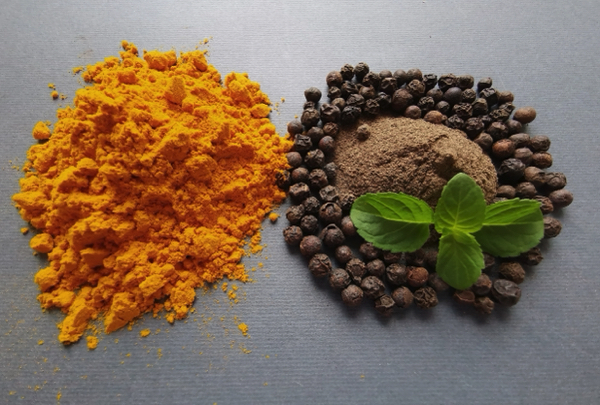
In kitchens and medicine cabinets across the globe, a vibrant yellow powder has risen to superstar status. Turmeric, lauded for its anti-inflammatory and antioxidant prowess, is the subject of over 10,000 peer-reviewed studies. Yet, for all its celebrated potential, a fundamental flaw has limited its impact: The human body struggles to absorb it. Now, modern science has validated an ancient culinary hack that solves this problem, revealing that the spice’s true power is unlocked not by consuming more, but by adding a simple companion—black pepper.
“Black pepper contains piperine, which significantly enhances the bioavailability of turmeric’s key compound, curcumin,” said BrightU.AI‘s Enoch. “Without piperine, curcumin is poorly absorbed and rapidly metabolized by the body. Therefore, black pepper is needed to ensure the body can effectively absorb and utilize turmeric’s beneficial nutrients.”
This synergy between turmeric’s curcumin and black pepper’s piperine represents a significant convergence of traditional wisdom and contemporary research, offering a potent, accessible tool for preventative health.
An alliance forged in history
The story begins not in a modern laboratory, but millennia ago in the traditions of Ayurveda and Traditional Chinese Medicine (TCM). In these systems, turmeric was not merely a coloring agent for curry but a vital medicinal herb. Ayurvedic practitioners classified it as a warming spice used to balance the body’s systems, while TCM doctors prescribed it to treat stagnation of “qi” and blood, addressing conditions from liver disorders to traumatic injuries. Crucially, these ancient recipes rarely featured turmeric alone. It was consistently paired with black pepper and often healthy fats like ghee or coconut oil. For centuries, this was empirical wisdom. Today, biochemistry explains why our ancestors were right.
The bioavailability barrier
The primary active compound in turmeric is curcumin, a polyphenol responsible for most of its health benefits. However, curcumin has notoriously poor bioavailability. When consumed alone, it is poorly absorbed through the gut, rapidly metabolized by the liver and quickly eliminated. In essence, only a tiny fraction of the curcumin in a supplement or meal enters the bloodstream to exert its effects. This bioavailability barrier has been the central challenge in turmeric research, often rendering high doses ineffective. The solution, it turns out, was hiding in plain sight in the pepper mill.
The piperine catalyst
Independent research shows piperine has its own merits, aiding digestion and offering anti-inflammatory benefits. But its most profound role is as a bioavailability enhancer. A landmark 1998 study published in Planta Medica demonstrated that piperine could increase the absorption of curcumin by an astounding 2,000%. The mechanism is twofold. First, piperine inhibits enzymes in the gut and liver that would normally break down curcumin, allowing more of it to remain active in the body for longer. Second, it may slow intestinal motility, giving curcumin more time to be absorbed. The practical takeaway is revolutionary: a small dose of turmeric with black pepper can be far more effective than a large dose without it.
A potentiated health arsenal
Combining these spices does not just increase curcumin levels; it amplifies their collective health benefits. Research indicates the duo may work synergistically in several critical areas:
Cancer prevention and support: Studies suggest the combination can inhibit the growth of cancerous stem cells in breast tumors and show promise against colon, gastric and prostate cancers. Piperine may also enhance curcumin’s ability to protect healthy tissue during radiation therapy.
Combating inflammation and pain: Curcumin is a powerful anti-inflammatory agent, with some studies showing it rivals pharmaceutical drugs for conditions like osteoarthritis. Piperine further desensitizes pain receptors. Together, they form a natural, potent strategy for managing joint discomfort, arthritis and exercise-induced muscle soreness.
Metabolic and organ health: The pairing shows potential for supporting weight loss by influencing fat cells and reducing inflammatory markers linked to obesity. It aids liver detoxification and protects the organ from toxins. For diabetics, curcumin has been shown to improve glucose control potentially preventing complications.
Brain and heart protection: Enhanced by piperine, curcumin can more effectively cross the blood-brain barrier. Animal studies indicate this may help reverse amyloid pathology associated with Alzheimer’s disease. For cardiovascular health, the improved bioavailability may allow curcumin to better support healthy cholesterol levels and reduce arterial inflammation.
Integration over supplementation
While supplements combining curcumin and piperine are widely available, the most sustainable approach is dietary integration. This mirrors the traditional use that sparked the discovery. Adding a pinch of black pepper to any dish containing turmeric—a scramble, soup, roasted vegetables or a lentil stew—activates the spice. Combining them with a healthy fat, such as olive or coconut oil, further enhances absorption. Golden milk, a traditional tonic of turmeric, milk, fat and pepper, is a perfect example of an ancient, optimized delivery system.
As with any potent substance, caution is warranted. High doses of turmeric can cause gastrointestinal upset in some individuals. Most critically, because curcumin can affect platelet function and slow blood clotting, individuals on blood-thinning medications like warfarin (Coumadin) or those preparing for surgery must consult a physician before significantly increasing turmeric intake. The very potency unlocked by black pepper makes this consultation essential.
Watch and discover the power of nature’s golden duo: organic turmeric and black pepper.
This video is from the Health Ranger Store channel on Brighteon.com.
Sources include:
Submit a correction >>
Tagged Under:
alternative medicine, bioavailability, black pepper, curcumin, food cures, food is medicine, food science, health science, herbal medicine, Herbs, natural cures, natural health, natural medicine, Naturopathy, nutrients, organics, phytonutrients, piperine, remedies, turmeric
This article may contain statements that reflect the opinion of the author
RECENT NEWS & ARTICLES